Latest Episode:
Priya Krishna’s Kitchen Adventures and Snacking Bakes with Yossy Arefi
Donate
The Splendid Table
Recipes
Episodes
Radio
More
About Us
Newsletter
Subscribe to Podcast
Merchandise
On the Radio
Become a Sponsor
Podcast Sponsors
Contact Us
Search for recipes, stories and episodes
Search
Featured Episode
Priya Krishna’s Kitchen Adventures and Snacking Bakes with Yossy Arefi
Pink Cookie Bars
Charred Broccoli Salad with Almonds and Spicy Green Goddess
Get Our Podcast
Connect with Us
Our Facebook Page
Our Instagram Page
Our Pinterest Page
Our Tumblr Page
Sponsor us
Get our weekly recipe email
Email Address
Subscribe
An easy weeknight recipe and more, delivered once a week.
Grilled Peaches With Almond Tahini and Charred Endive
Oven-Roasted Bell Pepper and Apricot Salad
Juicy Tomatoes With Italian Chile Crisp
Spicy Sesame Chili Oil Noodles
Grilled Cabbage with Chili Garlic Butter
Vegetable Pajeon (Korean Savory Pancakes)
The Deconstructed Falafel Salad
Ember-Roasted Vegetables
Strawberry Rye Shortcakes With Honey-Vanilla Cream
Fika Buns
Nectarine Galette with Sour Cherry Jam
Chocolate Banana Pops
Keep Us Cooking. Support Us!
Give Now
Featured Recipes
Search All Recipes ›
Spring
Spring Potato-Leek Soup with Asparagus
Spring Carrots with Burnt Butter and Labneh
Grain Salad with Many Flavors
The Everyday Chicken Salad
Halloumi, Mango, Shallot and Rocket Salad with Spicy Tamarind Dressing
Pasta with Peas and Mint
Simplest Green Salad
Mango & Mint Salad
Rhubarb, Rosewater & Pistachio Galettes
Hazelnut & Herb-crusted Lamb Cutlets with Pea & Wild Garlic Purée
Spring Pea, Pea Shoot, Pancetta & Goat Cheese Salad
Early Spring Stew with Baked Ricotta
Roasted Chickpea Bánh Mì Salad
Crushed New Potatoes and Pea Salad with Mustard Seed Dressing
Our Signature Mint Julep
Bourbon Peach Cooler
Tamarind-Glazed Beetroot with Baby Spinach, Salted Pistachios & Soya Labneh
Braised Spring Vegetables
Greek Lemon Chicken, Grain & Feta Salad with Tzatziki
Classic Potato Salad
Easter
Rhubarb, Rosewater & Pistachio Galettes
Hazelnut & Herb-crusted Lamb Cutlets with Pea & Wild Garlic Purée
Spring Pea, Pea Shoot, Pancetta & Goat Cheese Salad
Roast Butterflied Leg of Lamb with Coriander, Fennel, and Black Pepper
Omelet with Creamy Morel Mushrooms
Tomato and Cheese Pie
Rhubarb Frangipane Pie
Pan-Crisped Deviled Eggs on French Lettuces
White Barszcz Zurek (Sour Bread Soup)
Sour Cream Souffles
Pan Fried Dandelion Greens with Tomatoes
Skillet Asparagus with Manchego and Sherry Vinegar
Bread and Butter Pudding
Tart Orange Panna Cotta Trifle
Dandelion and Caramelized Carrot Salad
Spring Carrots with Apricots and Pistachios
Hot and Sweet Onion Confit
Easter Lamb with Red Wine and Black Olives
Deviled Eggs with Caviar
Fiesta Del Sol Cookies
Weeknight Kitchen
Charred Broccoli Salad with Almonds and Spicy Green Goddess
Every Season Green Salad with House Lemon Vinaigrette
Roasted Fish with Green Herbs, Lemon & Olives
Spring Potato-Leek Soup with Asparagus
Date Night Chicken in Creamy Mushroom Sauce
Marinated Halloumi Skewers
Shells with Miso Butter and Scallions
Japanese Oven Burgers with Cabbage Salad
Roasted Mushrooms to Die For
Red and Gold Beet Salad with Pistachios and Feta
Orecchiette with Chard, Golden Raisins, Pine Nuts, Capers, and Chile
Pot-Roast Chicken
Urojo – Zanzibar Potato soup
Kale And Feta Turkey Burgers
Black & Blue Portobello Mushroom Salad with Shallot Vinaigrette
Leek & Pine Nut Gnocchi Gratin
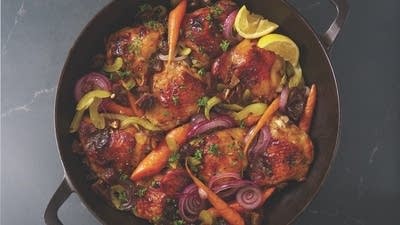
Chicken Thighs with Date Butter Sauce
Extra- Creamy Chicken Piccata
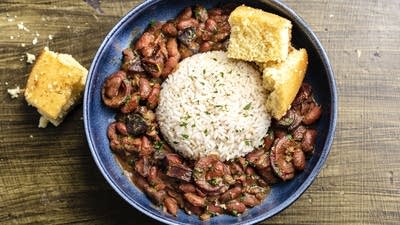
Red Beans & Rice with Sausage
Garlic Butter Roasted Cod
Breads
JACHNUN (Rolled Yemenite Sabbath Bread)
Ricotta Biscuits
Tomatoes with English Pesto on Toasted Focaccia
Herbes de Provence Loaf
Basic Cornbread
Apple Cider Sticky Buns
Summer Pain Surprise
Street Toast
Stuffed Bread
American Sandwich Bread
Icelandic Rye Bread
Camping Bread / Twist Bread
Soft Wheat And Rye Cakes / Hönö Cakes
Brioche
100% Teff Injera
M'smen
Meyer's Dark Rye Bread with Rye Berries and Pumpkin Seeds
Naan
Sweet Potato Rolls
Child, That’s Good Chocolate Bread Pudding